
Chronic kidney disease (CKD) is a long-term condition in which the kidneys gradually lose their ability to filter waste and excess fluids from the blood. Because diet directly affects how hard the kidneys must work, following the best diet for chronic kidney disease is essential for slowing disease progression, managing symptoms, and improving overall quality of life. A kidney-friendly diet focuses on balanced nutrition while carefully controlling certain nutrients.
Why Diet Is Important in Chronic Kidney Disease
When kidneys are damaged, waste products such as creatinine, urea, potassium, and phosphorus can build up in the body. Poor dietary choices can worsen this buildup, leading to complications like swelling, high blood pressure, weak bones, and heart disease. The right diet helps reduce these risks and supports remaining kidney function.
Managing Protein Intake
Protein is necessary for muscle repair and immune health, but it also produces waste that the kidneys must filter. For people with CKD, excessive protein intake can increase kidney strain. The best diet for chronic kidney disease includes moderate amounts of high-quality protein. Sources such as eggs, fish, lean poultry, and plant-based proteins are preferred. In advanced stages of CKD, protein intake may need further restriction under medical supervision.
Reducing Sodium to Control Blood Pressure
Sodium plays a major role in fluid balance and blood pressure regulation. Too much salt can cause fluid retention, swelling, and increased blood pressure, which can further damage the kidneys. Limiting sodium is a key part of a kidney-friendly diet. Choosing fresh foods, cooking at home, and avoiding processed and packaged items help reduce sodium intake naturally.
Monitoring Potassium Levels
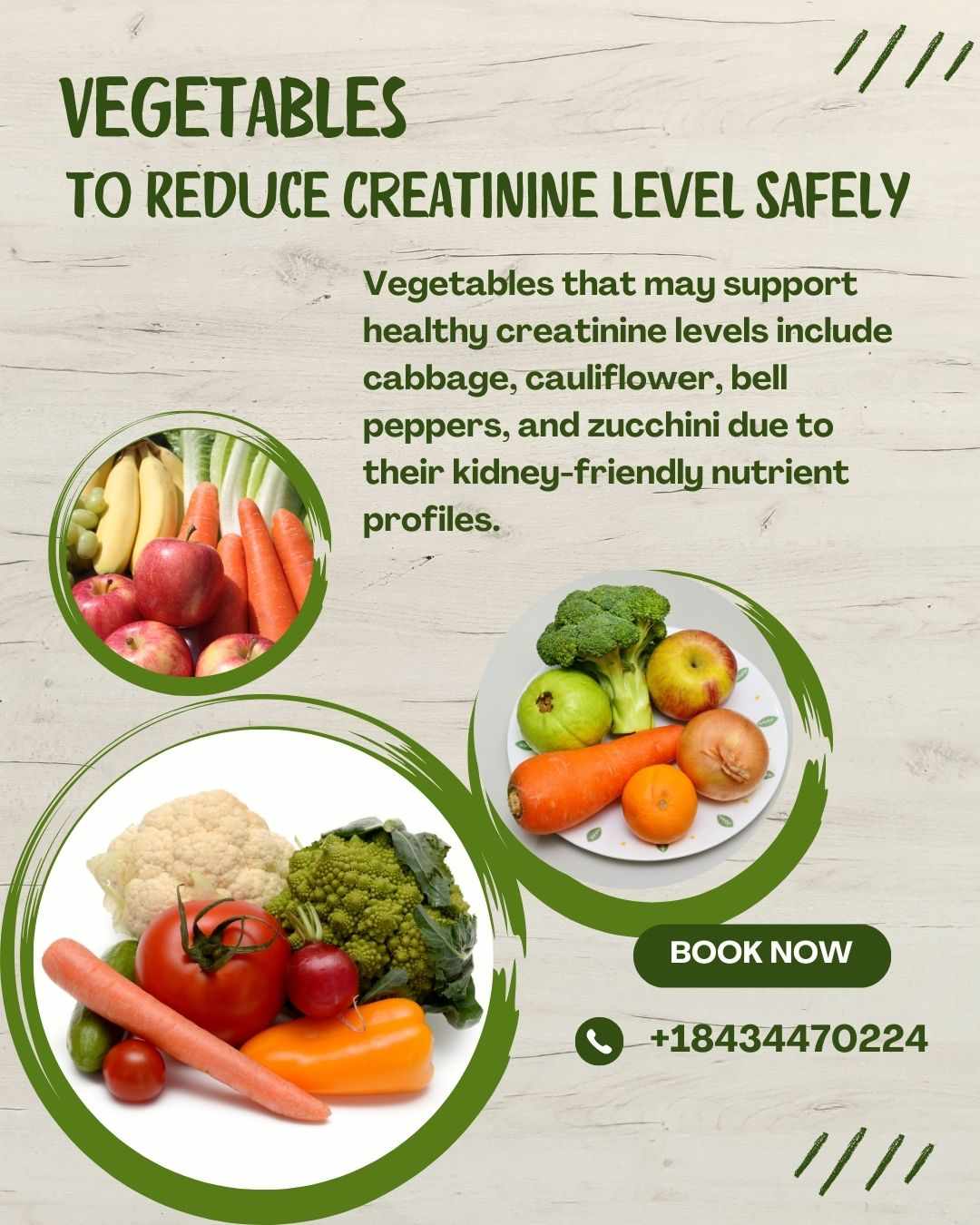
Potassium is essential for proper muscle and heart function, but damaged kidneys may not be able to remove excess potassium from the blood. High potassium levels can be dangerous and lead to heart rhythm problems. Depending on the stage of CKD, potassium intake may need to be limited. Low-potassium foods such as apples, grapes, cabbage, cauliflower, and cucumber are often safer choices. Cooking methods like boiling vegetables can also help reduce potassium content.
Controlling Phosphorus Intake
Phosphorus is important for strong bones, but when kidneys cannot filter it properly, excess phosphorus can build up in the blood. This can lead to bone weakness and calcium imbalance. Foods high in phosphorus include dairy products, nuts, seeds, colas, and processed foods with additives. The best diet for chronic kidney disease limits phosphorus-rich foods and focuses on fresh, unprocessed options.
Choosing Healthy Carbohydrates and Fats
Carbohydrates provide energy, especially when protein intake is limited. Whole grains and cereals can be included in moderation, depending on phosphorus content. Healthy fats such as olive oil and small amounts of seeds or nuts help maintain energy and support heart health. Since CKD increases the risk of heart disease, avoiding trans fats and excessive saturated fats is important.
Fluid Intake and Hydration
Fluid needs vary depending on kidney function and disease stage. In early CKD, adequate hydration helps the kidneys flush out waste products. In later stages, fluid intake may need to be restricted to prevent swelling and fluid overload. Always follow your healthcare provider’s recommendations regarding daily fluid intake.
Importance of Fruits and Vegetables
Fruits and vegetables provide essential vitamins, minerals, and fiber. Fiber supports digestion and helps reduce toxin buildup in the body. However, people with CKD must choose fruits and vegetables based on their potassium and phosphorus needs. Portion control and proper food preparation are key to gaining benefits without causing harm.
Avoiding Processed and Sugary Foods
Processed foods often contain high levels of sodium, phosphorus additives, and unhealthy fats, making them harmful for kidney health. Sugary foods and beverages can worsen blood sugar control, especially in people with diabetes-related kidney disease. A kidney-friendly diet focuses on fresh, natural foods and limits refined sugars.
Personalized Diet Planning
There is no one-size-fits-all diet for CKD. The best diet for chronic kidney disease depends on factors such as disease stage, lab results, age, and other health conditions. Working with a renal dietitian helps create a personalized eating plan that meets nutritional needs while protecting kidney function.
Final Thoughts
Following the best diet for chronic kidney disease is a powerful tool for managing kidney health. By controlling protein, sodium, potassium, and phosphorus intake while maintaining balanced nutrition, individuals with CKD can slow disease progression and improve overall well-being. With professional guidance and consistent dietary habits, long-term kidney health can be better supported.






Write a comment ...