Chronic Kidney Disease (CKD) is a progressive medical condition in which the kidneys gradually lose their ability to filter waste, excess fluids, and toxins from the blood. Healthy kidneys play a vital role in maintaining fluid balance, regulating blood pressure, producing red blood cells, and supporting overall health. When kidney function declines over time, it can lead to serious health complications if not properly managed.
What Is Chronic Kidney Disease?
Chronic Kidney Disease is defined as kidney damage or reduced kidney function lasting for three months or longer. It is typically measured using the glomerular filtration rate (GFR), which indicates how well the kidneys are filtering blood. CKD is classified into five stages, ranging from mild kidney damage (Stage 1) to complete kidney failure (Stage 5), also known as end-stage renal disease (ESRD).
CKD is often referred to as a “silent disease” because many people do not experience noticeable symptoms in the early stages.
Causes of Chronic Kidney Disease
Several conditions can damage the kidneys over time. The most common causes of CKD include:
Diabetes: High blood sugar levels can damage kidney blood vessels, making diabetes the leading cause of CKD worldwide.
High blood pressure (hypertension): Uncontrolled blood pressure puts strain on kidney filters, reducing their efficiency.
Glomerulonephritis: Inflammation of the kidney’s filtering units.
Polycystic kidney disease: A genetic disorder causing fluid-filled cysts in the kidneys.
Prolonged kidney infections: Recurrent urinary tract infections can lead to kidney scarring.
Long-term use of painkillers: Excessive use of NSAIDs can harm kidney tissue.
Symptoms of Chronic Kidney Disease
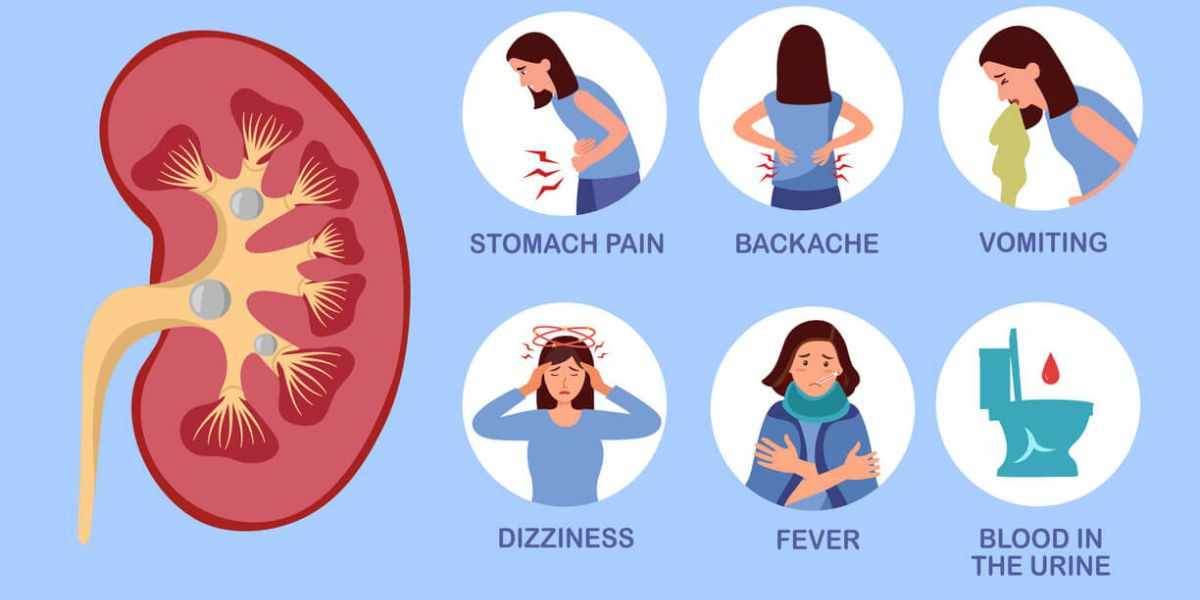
In the early stages, CKD symptoms may be mild or absent. As kidney function declines, symptoms may include:
Fatigue and weakness
Swelling in the feet, ankles, or hands
Changes in urination frequency or color
Shortness of breath
Nausea or vomiting
Loss of appetite
Muscle cramps
Difficulty concentrating
Because these symptoms are often nonspecific, CKD can go undiagnosed until it reaches an advanced stage.
Diagnosis of Chronic Kidney Disease
Early diagnosis is essential to slow the progression of CKD. Doctors use several tests to assess kidney function, including:
Blood tests: Measure creatinine levels and calculate GFR.
Urine tests: Detect protein or blood in the urine, which are early signs of kidney damage.
Imaging tests: Ultrasound or CT scans to examine kidney size and structure.
Kidney biopsy: In some cases, a small tissue sample is taken to identify the cause of kidney damage.
Regular screening is especially important for people with diabetes, hypertension, or a family history of kidney disease.
Stages of Chronic Kidney Disease
CKD progresses through five stages:
Stage 1: Normal or high GFR with mild kidney damage
Stage 2: Slight decrease in kidney function
Stage 3: Moderate kidney damage
Stage 4: Severe reduction in kidney function
Stage 5: Kidney failure requiring dialysis or transplant
Understanding the stage of CKD helps guide treatment and lifestyle changes.
Treatment and Management of CKD
There is no cure for Chronic Kidney Disease, but proper management can slow its progression and reduce complications. Treatment depends on the underlying cause and stage of the disease.
Key management strategies include:
Controlling blood sugar and blood pressure
Taking prescribed medications, such as ACE inhibitors or ARBs
Following a kidney-friendly diet low in sodium, potassium, and phosphorus
Maintaining a healthy weight and exercising regularly
Avoiding smoking and limiting alcohol intake
In advanced stages, patients may require dialysis or a kidney transplant to replace lost kidney function.
Diet and Lifestyle for Kidney Health
A balanced renal diet plays a critical role in managing CKD. This often includes limiting processed foods, reducing salt intake, consuming adequate protein, and staying hydrated as advised by a healthcare provider. Lifestyle changes, such as managing stress and getting regular medical checkups, can significantly improve outcomes.
Preventing Chronic Kidney Disease
While not all cases are preventable, the risk of CKD can be reduced by:
Managing diabetes and hypertension effectively
Staying physically active
Drinking adequate water
Avoiding overuse of pain medications
Getting routine health screenings
Conclusion
Chronic Kidney Disease is a serious but manageable condition when detected early. With timely diagnosis, proper treatment, and healthy lifestyle choices, individuals with CKD can maintain a good quality of life and slow disease progression. Raising awareness about kidney health and regular screening is essential to reducing the global burden of CKD.








Write a comment ...